
Growth Hormone Peptides
Growth Hormone Research Peptides | CJC-1295, Ipamorelin, Sermorelin and Tesamorelin | Liberty Peptides
Introduction
Growth hormone secretagogue peptides represent one of the most advanced categories in modern peptide research. Instead of administering recombinant growth hormone directly, these compounds stimulate the body’s own pituitary somatotrophs to produce and release growth hormone naturally. This preserves the physiological feedback systems that regulate normal growth hormone pulsatility and avoids the extreme IGF-1 spikes associated with direct hormone administration.
At Liberty Peptides, every growth hormone secretagogue is independently tested to a minimum purity of 99% using HPLC and mass spectrometry by certified laboratories in the United States. Each batch includes a Certificate of Analysis confirming purity, molecular identity, lot number, and test date. All products are supplied strictly for in-vitro laboratory research and are not intended for human or animal consumption.
The growth hormone secretagogue category is divided into two distinct pharmacological classes, each acting through separate receptor systems.
-
Growth Hormone Peptides
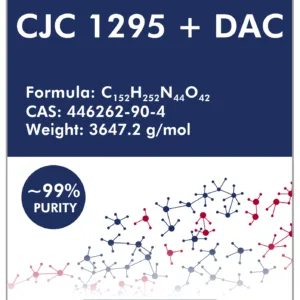
CJC 1295 + DAC
Price range: $40.00 through $70.00 Select options This product has multiple variants. The options may be chosen on the product page
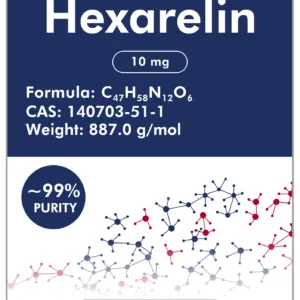
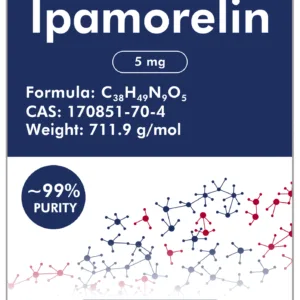
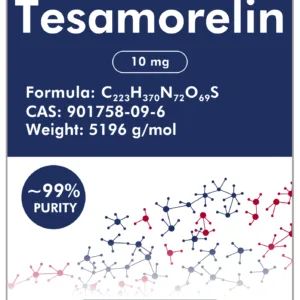
GHRH Analogs
GHRH analogs include CJC-1295, Sermorelin, and Tesamorelin. These compounds mimic the natural hypothalamic hormone growth hormone-releasing hormone and bind to GHRH receptors on anterior pituitary somatotrophs through the cAMP/PKA signaling pathway. They stimulate both growth hormone synthesis and the amplitude of secretion pulses.
GH-Releasing Peptides (GHRPs)
GHRPs include Ipamorelin, GHRP-2, and GHRP-6. These compounds mimic ghrelin and bind to the growth hormone secretagogue receptor GHS-R1a through the PLC and calcium signaling pathway. They regulate the frequency and timing of growth hormone pulses through a mechanism distinct from the GHRH pathway.
Because these two classes act on different receptor systems, combining them produces a synergistic increase in growth hormone release that is greater than either compound produces alone.
All Liberty Peptides growth hormone compounds are stored at minus 20 degrees Celsius from receipt through dispatch. Orders placed before 12 PM EST, Monday through Friday, are shipped the same day.
Available Products
The GH Secretagogue Research Landscape
Compound Comparison Table
| Compound | Class | Receptor | Half-life | Key distinction |
|---|---|---|---|---|
| CJC-1295 with DAC | GHRH analog | GHRHR | 6 to 8 days | Longest acting, produces sustained GH elevation |
| CJC-1295 no DAC (Mod GRF 1-29) | GHRH analog | GHRHR | ~30 minutes | Produces pulsatile GH, suited for physiological protocols |
| Sermorelin | GHRH analog | GHRHR | ~10 to 20 minutes | Closely mirrors native GHRH 1-29 |
| Tesamorelin | GHRH analog | GHRHR | ~26 minutes | Only GHRH analog with Phase III clinical data |
| Ipamorelin | GHRP | GHS-R1a | ~2 hours | Most selective GHRP, minimal cortisol or prolactin response |
| GHRP-2 | GHRP | GHS-R1a | ~30 minutes | High GH release potency |
| GHRP-6 | GHRP | GHS-R1a | ~30 minutes | Known for appetite stimulation |
| Hexarelin | GHRP | GHS-R1a | ~30 minutes | Very potent, rapid receptor desensitization |
CJC-1295
CJC-1295 is a 30-amino acid synthetic analog of GHRH with structural modifications that improve stability. The version with DAC binds to serum albumin and extends the half-life to approximately 6 to 8 days, producing sustained growth hormone elevation. A single administration can significantly increase GH levels for several days and maintain elevated IGF-1 levels for over a week.
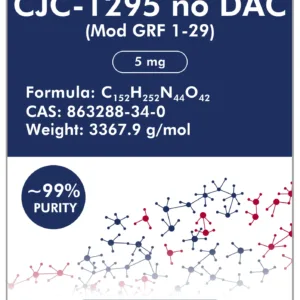
The version without DAC, also known as Mod GRF 1-29, has a much shorter half-life of about 30 minutes. It produces discrete pulses of growth hormone and is preferred in research designed to replicate natural secretion patterns.
CJC-1295 and Ipamorelin are also available as a pre-formulated combination in the peptide blends category for researchers studying synergistic GH axis activation.
Sermorelin
Sermorelin is a 29-amino acid peptide representing the shortest active fragment of natural GHRH. It closely follows the body’s native signaling profile and produces short, controlled GH pulses due to its brief half-life of approximately 10 to 20 minutes.
Tesamorelin
Tesamorelin is a stabilized 44-amino acid GHRH analog with enhanced resistance to enzymatic breakdown. It is supported by Phase III clinical trial data and has shown significant reductions in visceral adipose tissue along with increased IGF-1 levels. It is the most clinically validated compound in this category.
Researchers studying visceral fat reduction alongside GH axis modulation will find additional metabolic research compounds in the weight management peptides category.
Ipamorelin
Ipamorelin is a selective pentapeptide that stimulates growth hormone release through the GHS-R1a receptor. It does not significantly elevate cortisol or prolactin levels, making it the preferred GHRP for combination protocols where hormonal specificity is important.
GHRP-2
GHRP-2 is a potent second-generation peptide that produces strong increases in GH secretion. It may also increase cortisol and ACTH levels, which should be considered in research design.
GHRP-6
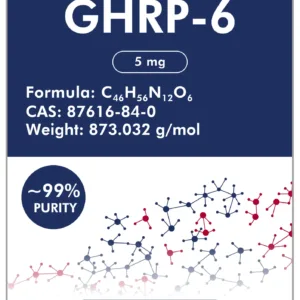
GHRP-6 is a first-generation peptide known for its ghrelin-like activity and associated appetite stimulation. It remains widely used in receptor and comparative studies.
Hexarelin
Hexarelin is one of the most potent GHRPs. While it produces strong GH release, it is associated with rapid receptor desensitization, which may limit its use in longer protocols.
Synergy Between GHRH and GHRP Compounds
Why Combination Protocols Are Effective
GHRH analogs and GHRPs act through separate signaling pathways. GHRH compounds use the cAMP/PKA pathway, while GHRPs use the PLC and calcium pathway. Activating both pathways simultaneously produces a synergistic increase in growth hormone release rather than a simple additive effect.
Common Research Combinations
CJC-1295 without DAC combined with Ipamorelin produces a pulsatile GH release pattern that closely resembles natural physiology.
CJC-1295 with DAC combined with Ipamorelin produces sustained GH elevation and is useful in protocols that require consistent IGF-1 levels.
Tesamorelin combined with Ipamorelin is often used in research focused on visceral fat metabolism, combining strong clinical validation with selective GH stimulation.
Liberty Peptides provides both individual compounds and combination blends, including Sermorelin plus Ipamorelin and a triple blend of Tesamorelin, CJC-1295, and Ipamorelin.
Frequently Asked Questions
What is the difference between a GHRH analog and a GHRP?
GHRH analogs such as CJC-1295, Sermorelin, and Tesamorelin stimulate growth hormone release through the GHRH receptor using the cAMP/PKA pathway. GHRPs such as Ipamorelin, GHRP-2, and GHRP-6 act on the GHS-R1a receptor using a calcium-based signaling pathway. These systems are separate, and combining them produces a stronger response.
Why is Ipamorelin preferred?
Ipamorelin is highly selective for growth hormone release and does not significantly increase cortisol, ACTH, or prolactin. This makes it ideal for research protocols that require minimal hormonal interference.
What is the difference between CJC-1295 with DAC and without DAC?
CJC-1295 with DAC has a long half-life and produces sustained growth hormone elevation. CJC-1295 without DAC has a short half-life and produces brief pulses. The choice depends on the type of research protocol.
What makes Tesamorelin unique?
Tesamorelin is supported by Phase III clinical trial data and is the most clinically validated compound in this category, particularly in studies involving visceral fat.
What purity standards are used?
All compounds are tested to a minimum purity of 99% using HPLC and mass spectrometry, with a Certificate of Analysis provided for each batch.
Are these peptides legal in the United States?
These compounds are not classified as controlled substances in the United States and may be sold for laboratory research purposes. They are not approved for over-the-counter or therapeutic use outside regulated clinical settings.
MK-677, an orally active ghrelin receptor agonist studying the same GH axis through oral delivery, is available in the peptide capsules category.
Research disclaimer
All products on this page are supplied by Liberty Peptides exclusively for in-vitro laboratory research purposes. They are not medicines, drugs, or FDA-approved therapies for human use outside specifically approved indications. CJC-1295, Ipamorelin, Sermorelin, GHRP-2, GHRP-6, Tesamorelin, and Hexarelin are sold strictly as research compounds for use by qualified professionals in appropriate laboratory conditions. Not for human or animal consumption of any kind.
Showing all 7 results
-
Growth Hormone Peptides
CJC 1295 + DAC
Price range: $40.00 through $70.00 Select options This product has multiple variants. The options may be chosen on the product page