Recovery Peptides
Recovery & Repair Research Peptides | BPC-157, TB-500 and KPV | Liberty Peptides
Overview of Recovery and Repair Peptides
Recovery and repair peptides represent one of the most extensively studied categories in preclinical peptide research. Compounds in this group are investigated for their roles in tissue regeneration, wound healing, cytoprotection, and inflammation modulation. Because of this, they are among the most requested compounds in academic, sports science, and regenerative biology laboratory settings.
At Liberty Peptides, every recovery compound is independently tested to a minimum purity of 99% or higher by a certified US laboratory using HPLC and mass spectrometry. Each batch includes a full Certificate of Analysis that documents the exact purity level, confirms molecular identity, and lists the lot number and test date. All products are supplied strictly for in vitro laboratory research purposes and are not intended for human or animal consumption.
BPC-157 Research Overview
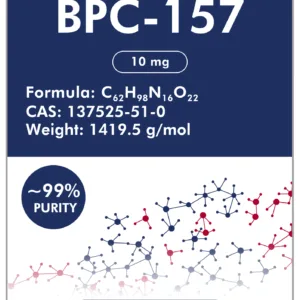
BPC-157, also known as Body Protection Compound-157, is a synthetic pentadecapeptide derived from a sequence found in human gastric juice. It is one of the most widely documented compounds in tissue repair research.
Mechanisms Studied in Preclinical Models
Preclinical studies have investigated its effects on:
- Angiogenesis through VEGF and VEGFR2 upregulation
- Fibroblast activity
- Nitric oxide system modulation
- Connective tissue regeneration across tendon, ligament, muscle, and gastrointestinal models
A 2024 systematic review in PubMed Central covering 36 studies from 1993 to 2024 documented its effects on musculoskeletal healing in preclinical models (PMID: PMC12313605).
TB-500 Research Overview
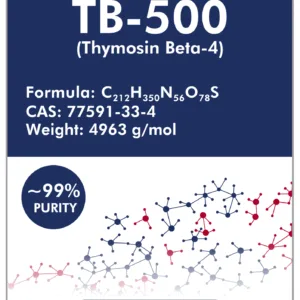
TB-500 is a synthetic fragment of Thymosin Beta-4 and plays a role in intracellular actin regulation.
Cellular Activity and Function
Its primary intracellular function involves binding monomeric G-actin, which regulates cytoskeletal dynamics essential for cell movement. It promotes:
- Actin polymerization
- Progenitor cell recruitment
- Enhanced cellular migration
These processes are central to wound healing. Studies also report anti-inflammatory and pro-angiogenic activity similar to BPC-157.
BPC-157 and TB-500 Combined Research
When studied together, these two compounds are often evaluated for their complementary mechanisms.
Synergistic Mechanisms
- BPC-157 is associated with initiating repair processes, supporting vascular stability, and reducing oxidative stress
- TB-500 is associated with enhancing cellular migration, cytoskeletal organization, and structural remodeling
This combination is sometimes referred to in research discussions as the “Wolverine Stack” due to the complementary biological pathways involved.
All research cited is preclinical. These compounds are not approved for human or therapeutic use and are intended for laboratory research only.
KPV Research Overview
KPV is a tripeptide derived from the C-terminal sequence of alpha-melanocyte stimulating hormone.
Primary Research Focus
It is studied for its anti-inflammatory properties, particularly in:
- Intestinal models
- Wound-related models
Storage and Shipping Standards
All Liberty Peptides recovery compounds are stored at minus 20 degrees Celsius from receipt through dispatch. Orders placed before 12 PM EST, Monday through Friday, are shipped the same day.
How Recovery Peptides Work in Laboratory Research
Recovery peptides operate through distinct but often complementary biological pathways. Understanding these mechanisms helps researchers design more precise experimental protocols.
BPC-157 Mechanistic Pathways
Angiogenic Activity
Research indicates it may support growth factor signaling and pathways related to tissue repair and cellular migration.
Anti-Inflammatory Activity
Studies in animal models show reductions in inflammatory markers and oxidative stress at injury sites.
Gastrointestinal Cytoprotection
Research highlights its role in supporting mucosal integrity and regulating intestinal function, consistent with its origin as a gastric peptide.
Frequently asked questions About recovery peptides
What are recovery and repair research peptides?
Recovery and repair peptides are synthetic compounds studied in laboratory settings for their effects on tissue regeneration, wound healing, and inflammation modulation. The most extensively researched examples are BPC-157 and TB-500. These compounds are available strictly for in-vitro laboratory research and are not approved for human or therapeutic use.
What is BPC-157 used for in research?
BPC-157 (Body Protection Compound-157) is studied in preclinical models for its effects on angiogenesis, connective tissue repair, gastrointestinal mucosal protection, and anti-inflammatory activity. A 2024 systematic review covering 36 studies documented its effects across tendon, ligament, muscle, and bone injury models. It is not approved by the FDA for any therapeutic use.
What is TB-500 and how does it differ from BPC-157?
TB-500 is a synthetic peptide derived from Thymosin Beta-4, an endogenous protein involved in actin regulation and cell motility. It is studied for systemic cell migration, angiogenesis, and anti-fibrotic effects. BPC-157 works primarily at local injury sites through growth factor and vascular pathways, while TB-500 operates systemically through cytoskeletal regulation, making them frequently studied in combination.
What purity are Liberty Peptides recovery compounds?
All Liberty Peptides recovery compounds, including BPC-157, TB-500, and KPV, are independently tested to a minimum of 99%+ purity via HPLC and mass spectrometry by a certified US laboratory. The Certificate of Analysis for every batch is downloadable and searchable by lot number at our CoA verification hub.
How should recovery peptides be stored?
Lyophilised (freeze-dried) peptides should be stored at -20°C or below. Once reconstituted, store at 2–8°C and use within 4–6 weeks. Protect from light and moisture at all times. Liberty Peptides maintains all inventory in industrial-grade -20°C cold storage until dispatch.
Are recovery peptides legal in the USA?
BPC-157, TB-500, and KPV are not scheduled controlled substances in the USA. They are legally sold and purchased for in-vitro laboratory research purposes. They are not approved by the FDA for any therapeutic use and may not be sold for human consumption. All Liberty Peptides products are sold strictly for legitimate laboratory research use by qualified researchers.
Showing all 3 results
-
Recovery Peptides
KPV
Price range: $20.00 through $68.00 Select options This product has multiple variants. The options may be chosen on the product page -
Recovery Peptides
TB-500 (Thymosin Beta-4)
Price range: $35.00 through $60.00 Select options This product has multiple variants. The options may be chosen on the product page